
Working with a factory on the other side of the world can feel intimidating the first time a brand tries it, yet thousands of small and mid-sized labels do exactly this every year through a Vietnam garment manufacturer. The country has built a strong reputation for apparel production, combining skilled labor, established supply chains and experience serving export markets. Still, a smooth partnership does not happen automatically. It depends on how well a brand documents its product, communicates expectations and plans for the realities of manufacturing at a distance.
This guide walks through the practical steps a brand should take before reaching out to a factory, from preparing a tech pack to understanding fabric options, sizing, minimum order quantities and quality control. None of these steps require special industry experience, but they do require organization, and taking the time upfront almost always saves weeks of back-and-forth later in the process.
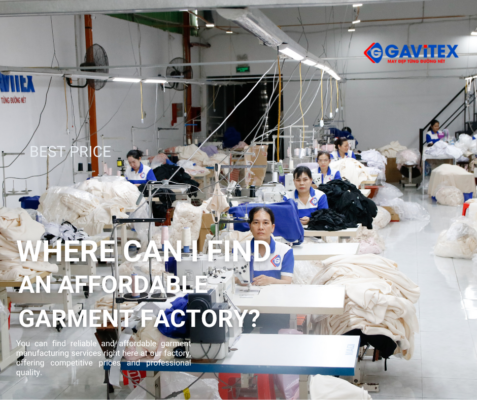 It also helps to remember that a factory relationship is a two-way street: the brand benefits from the factory’s technical expertise, and the factory benefits from working with clients who are organized and easy to communicate with. Keeping this mutual benefit in mind, rather than viewing the relationship purely as a transaction, tends to produce smoother outcomes for both sides across multiple seasons of production.
Why Custom Apparel Brands Look Overseas for Production
Brands typically start exploring options abroad once local production can no longer support their pricing, order volume or product complexity. Domestic sewing services are often excellent for very small runs, but costs per unit can climb quickly as order size grows, and not every local workshop is equipped for technical fabrics, embroidery or specialized construction. A Vietnam garment manufacturer can often support a wider range of techniques while keeping unit costs manageable at moderate to large volumes.
Defining Your Product Before You Contact a Factory
It is worth spending real time defining the product on paper before any outreach happens. What silhouette are you targeting, what is the intended retail price, and what quality benchmarks matter most to your customer? Answering these questions in advance means the factory can respond with realistic costing and lead times instead of a rough estimate that changes significantly once real specifications are shared.
Preparing a Tech Pack and Reference Samples
Factories often say that the single biggest driver of first-sample accuracy is the quality of the tech pack they receive. A well-prepared package including measurements in a size chart, construction notes and at least one reference image per design detail dramatically reduces miscommunication. Brands that skip this step usually end up paying for extra sample rounds and losing weeks of calendar time.
If you are looking for a reliable Vietnam garment manufacturer for custom apparel production, it is important to prepare your tech pack, fabric requirements, sizing details and target order quantity before requesting a quotation.
Fabric Selection and Sourcing Considerations
Sourcing fabric domestically within Vietnam is often faster and more cost-effective than importing it, but it depends on the specific material required. If a brand needs a fabric that is not locally available, it helps to discuss import lead times with the factory upfront, since this can meaningfully affect the overall production schedule and should be factored into planning from day one.
It is worth asking a potential factory directly what fabrics and trims they already have strong relationships with, since ordering materials they source regularly is usually faster and more cost-effective than requesting something entirely unfamiliar to their supply chain. This does not mean a brand must compromise on vision, but it does mean understanding where flexibility can save meaningful time and cost without affecting the final look of the garment.
Sizing, Grading and Sample Development
A size chart with clear body and garment measurements is one of the most important documents a brand can provide, since it becomes the reference point for grading every size in the range. Even if you are only launching with two or three sizes at first, having a complete grading logic in place from the beginning makes it much easier to expand the size range later without inconsistencies between batches.
Fit sessions, even informal ones done over video call with the sample garment on a similar body type, catch problems that measurements on paper sometimes miss, such as how a garment moves, sits or drapes in practice. Scheduling at least one fit review before locking the final pattern gives the brand a chance to make adjustments while changes are still inexpensive, rather than discovering an issue once bulk fabric has already been cut.
Understanding MOQ and Realistic Production Timelines
Minimum order quantity, or MOQ, varies significantly between factories and is often tied to fabric minimums, color counts and the complexity of the garment rather than being a fixed number. Brands should ask directly how MOQ is calculated for their specific product, since a factory that lists a low general minimum may still require higher quantities for certain fabrics or trims.
Seasonal demand at the factory level can also affect timelines in ways that have nothing to do with your specific order, since factories serving international clients often see workload spikes around certain months. Asking a potential partner about their busiest periods, and planning your own launch calendar around that information, can help you avoid the longest queues and secure a more predictable production slot.
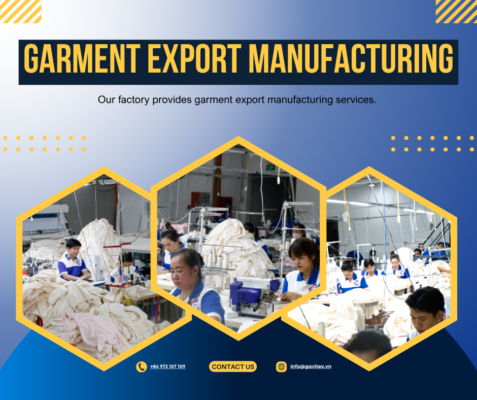 Quality Control and Inspection Along the Way
Quality control should not be treated as a single step that happens right before shipment; it works far better as an ongoing process that begins with the first sample and continues through bulk production. Asking a factory what their internal QC process looks like, and whether they allow in-process inspection or third-party inspection, gives a brand a clearer picture of what to expect before problems become expensive.
A pre-shipment sample, pulled randomly from finished bulk stock rather than from the original approved sample, is one of the most reliable ways to confirm that an entire order matches expectations before it ships. This step catches drift that can happen gradually across a large production run, where the first pieces off the line may look perfect while later pieces show small but noticeable differences.
Communicating Effectively With an Overseas Factory
Setting expectations early about response times and preferred communication channels — email, messaging apps, or a shared document — helps avoid frustration on both sides. Many successful brand-factory relationships rely on a single point of contact at the factory who understands the account, rather than messages being spread across multiple staff members.
Language and cultural differences can also amplify small misunderstandings if a brand is not patient with the process, especially during the first order when neither side has yet learned the other’s working style. Approaching early conversations with curiosity rather than assumptions — asking why a factory suggests a certain fabric, or why a timeline is longer than expected — usually uncovers useful context that a brand would otherwise miss.
Common Mistakes Brands Make When Ordering From Overseas
One of the most frequent mistakes is sending incomplete specifications and expecting the factory to fill in the gaps, which usually results in a first sample that misses the brand’s intent in several small but important ways. Another common issue is underestimating total timeline, forgetting to include time for sampling revisions, fabric sourcing and shipping on top of the core production period.
It is also worth remembering that pricing negotiations work best when both sides feel the deal is fair over the long run, not just on a single order. Pushing too hard for the lowest possible unit price on a first order can sometimes come at the cost of attention to detail, since factories naturally prioritize clients who bring healthier margins and more predictable, professional working relationships. A slightly higher price paired with reliable communication and realistic expectations often produces a better outcome than the absolute lowest quote available.
Recognizing these patterns early, ideally before placing a first order rather than after a disappointing result, is one of the clearest ways a brand can protect its budget and its launch timeline. Many of the brands that manufacture successfully overseas are not necessarily larger or better funded than the ones that struggle — they have simply learned to treat preparation as seriously as design itself.
Checklist Before You Request a Quotation
- Written product description covering garment type, fit and intended price point
- Reference sketches or photos annotated with measurements and construction details
- Preferred fabric type, weight and stretch requirements clearly noted
- A size chart or at least sample-size measurements to start grading from
- A realistic first-order quantity range for initial costing
- Target delivery date with buffer time for sampling rounds
- A short list of questions about quality control and inspection practices
The first order with any factory is really a trial run for both sides, and treating it that way helps set realistic expectations. Brands that communicate clearly, pay on the agreed schedule and give constructive feedback after each order tend to build stronger, more flexible relationships over time, which often translates into better pricing and priority scheduling on future runs.
Ultimately, the brands that get the best results from manufacturing abroad are the ones that treat preparation as part of the product development process, not as an afterthought. Clear documentation, realistic timelines and consistent quality checks turn what can feel like a daunting first order into a repeatable, scalable process that supports real business growth.
 Whether you are launching your first small collection or scaling an established label into larger production runs, taking these preparation steps seriously before your first outreach message will save you time, money and unnecessary stress later in the process.
Order now / Get a quote: +84 972 107 109